

- Quantum cyber readiness was assessed by HKMA at 2.3 on a scale of 10 for the banks in Hong Kong.
- There is an effort to increase readiness within the sector through tools and workshops before 2030.
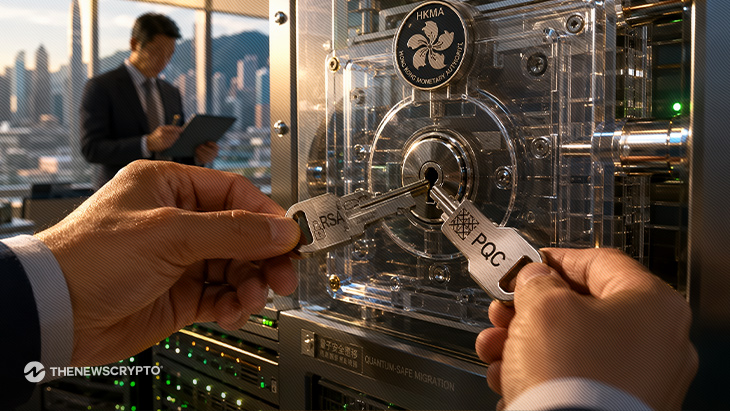
Financial regulators are already planning cybersecurity strategies to protect banks from future risks posed by quantum computing. The Hong Kong Monetary Authority (HKMA) has revealed substantial gaps in preparedness among the Hong Kong banking sector by developing the first Quantum Preparedness Index (QPI).
The HKMA gave Hong Kong banks a total preparedness score of 2.3 on a scale of 10. This shows that the banks are still in the early stages of facing challenges posed by quantum computing to cybersecurity.
Governance Progresses Faster Than Technical Preparedness
According to the HKMA survey, 68% of participating banks initiated preparation by increasing awareness, planning migration, or testing quantum-based technologies. Nonetheless, the other 32% have not started preparing for post-quantum cryptography, and roughly half do not have plans for migrating.
The governance activities outpaced technical preparations. Nearly half of the participating institutions addressed risks of quantum computing on their boards.. While just one-third actively researched or tested quantum security solutions. According to the regulator, the preparedness rating evaluates the progress of the planning activities and not vulnerabilities or quantum attacks.
Encryption used in modern banks is still safe from today’s computing power. Yet, financial organizations need several years to detect weaknesses of the cryptographic systems, change old algorithms, and upgrade the payment system before the appearance of practical quantum computers.
Long-Term Security Strategy Becomes Priority
The HKMA has highlighted that the ‘harvest now, decrypt later’ scenario is one where there are already risks associated with sensitive financial data in the long run. Hackers can harvest encrypted data currently and may decrypt it later when quantum computers have been made powerful enough for such activities. The Bank for International Settlements (BIS) has already experimented with hybrid post-quantum encryption and quantum-resistant digital signatures via Project Leap.
According to BIS, Quantum-proof payment systems are easy to produce. The HKMA wants to increase the Quantum Preparedness Index of the banking sector to 10 by 2030 without any punishments but with guidelines. It will introduce a post-quantum cryptography kit in association with the Hong Kong University of Science and Technology and conduct various technical workshops.
Highlighted Crypto News:
Stablecoin Market Shrinks for First Time in Four Years as Transaction Volume Hits Record Low