

- EIP-8141 could enable stablecoin gas payments, removing the need to keep Ethereum for transaction fees.
- The upgrade targets a major ETH friction point, making the network easier for mainstream users to access.
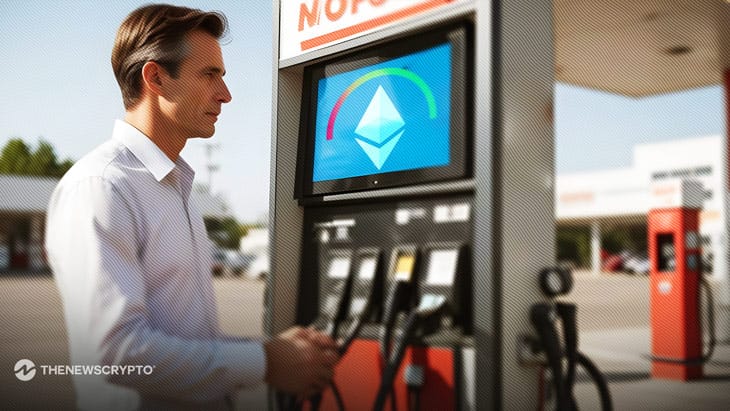
Ethereum developers have confirmed EIP-8141, known as Frame Transactions, for inclusion in the planned 2027 Hegota upgrade. The change is straightforward in concept but significant in impact; users will be able to pay transaction fees using stablecoins like USDC, USDT, or RLUSD without needing to hold ETH in their wallet for gas.
Right now, one of Ethereum’s most persistent friction points is this: you can hold $10,000 in USDC and still be unable to send it without a separate ETH balance to cover gas. That barrier has kept millions of potential users away from the network. EIP-8141 is built specifically to remove it.
How It Actually Works
The important distinction here is that Ethereum’s protocol still settles gas fees in ETH; that doesn’t change. What changes is the user-experience layer on top of it.
Under Frames, a payments app or wallet can cover the gas cost on the user’s behalf, charge the user in stablecoins, and settle the ETH fee at the protocol level without the user ever touching ETH directly.
The authorising part of the transaction, fee payment, and execution are treated as separate but linked components, which hints that if a trade fails, any permissions granted alongside it are withdrawn rather than left open.
Some wallets already offer a version of this through third-party relayer infrastructure. Moreover, EIP-8141 brings it into Ethereum’s ordinary transaction flow natively, and no third party is required.
What This Means for ETH Demand?
The immediate reaction from some corners of the market has been bearish: if users don’t need ETH for gas, does demand fall? The answer is no. Ethereum’s protocol still gets paid in ETH at every transaction. The demand destruction concern doesn’t hold up under the actual mechanics of the proposal.
What it does is remove the single biggest onboarding barrier for mainstream users: the requirement to buy and hold ETH just to use a network where they may never want ETH as an asset.
Quantum Resistance by 2029
The Hegota upgrade sits within a broader roadmap the Ethereum Foundation’s Protocol cluster has now made public. The target is a quantum-resistant Ethereum L1 across execution, consensus, and data layers by December 2029, aligning with migration timelines independently set by Google, Cloudflare, and Microsoft.
Significantly, EIP-8141 expands Ethereum’s addressable user base. More users transacting on the network means more ETH consumed at the protocol level, even if those users never hold it directly. The upgrade is a net positive for network activity and long-term ETH fundamentals.
Crypto Market Highlights