


- Former Binance CEO CZ believes that the developments regarding cryptocurrency regulation may position Pakistan at the forefront among global leaders by 2030.
- It has established regulatory agencies, permitted major exchanges to establish domestic operations, and explored Bitcoin reserves and tokenization.
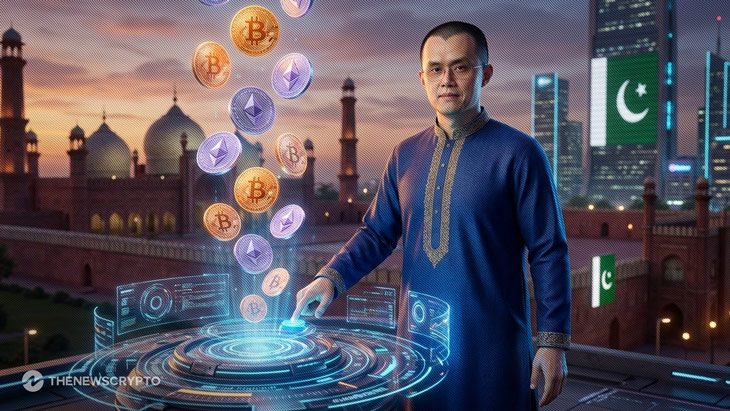
Pakistan is emerging in the international arena of the digital asset industry due to the pace of developments in regulating and using cryptos in the country. One of the leading figures in the industry, Changpeng Zhao, ex-Binance CEO, has observed that if the pace being adopted in the industry is sustained, then by the year 2030, they could be among the leading players in the sector. This is an indicative sign of change in their adoption of blockchain technology.
A conversation between Changpeng Zhao (@cz_binance), Founder of Binance and Chairman PVARA, @BilalBinSaqib on the future of crypto in Pakistan.
— Pakistan Virtual Assets Regulatory Authority (@PakistanVARA) December 30, 2025
From Pakistan’s potential to tokenization and what comes next for the virtual asset economy.
Timestamps:
– Why Pakistan for Crypto?:… pic.twitter.com/ILGHOMBdWY
Regulatory Reforms and Institutional Foundations
Establishment of the PVARA has been a crucial driver in Pakistan’s crypto trajectory, mandated to perform the role of regulating virtual asset service providers and bringing operations in line with international standards. This authority is intended to introduce a proper mechanism related to licensing, compliance, anti-money laundering measures, and protection of investors, far cry from earlier periods of ambiguity or even outright banishment.
Pakistan has also opened its doors to major international exchanges, such as Binance and HTX, allowing them to operate within the country under regulatory supervision. This openness signals a strategic shift toward integrating the platforms of digital assets into the broader financial ecosystem rather than viewing these platforms solely as a source of speculation or risk.
Bitcoin Reserve and Tokenization Initiatives
Apart from regulation, Pakistan is working on innovative, macro-level initiatives to reflect its ambitions. The country is making its way to building a strategic Bitcoin reserve, drawing inspiration from similar examples in the United States and other jurisdictions to include crypto assets in their national financial strategies.
In addition, discussions related to the tokenization of the Pakistan stock market and real-world assets point toward a bigger vision for attracting global capital. Tokenization of equities or sovereign assets may provide international investors with a means to tap into Pakistan’s financial markets more directly, thus improving liquidity and flows of investments. According to CZ, the countries that will commit to tokenization earlier will benefit from global investor participation.
Opportunities for Entrepreneurs and Greater Adoption
Because of lower entrance costs related to a more established industry, such as banking and AI, blockchain and crypto tech are of interest to local entrepreneurs and small businesses, according to CZ. The young and tech-literate demographics of Pakistan are a strong support factor for increased adoption at the grassroots level. However, development at the grassroots level will require education and incubation at the university level.
The Potential Inherent in Ongoing Development
With this, the dynamic efforts of Pakistan in terms of regulating reforms, institutional collaboration, planning of Bitcoin reserves, and even studying tokenization truly set the country apart among the new breed of crypto markets emerging across the globe. Although there are still a few obstacles to overcome, such as protecting consumers and infrastructure readiness, the positive stance truly bodes well for the future of the country’s potential as a major participant within the global crypto economy by the year 2030.
Highlighted Crypto News: