

- FinCEN has dropped its 2020 proposal that would have introduced additional reporting and recordkeeping requirements for transactions involving unhosted crypto wallets.
- A second proposal targeting crypto mixers was also withdrawn, removing plans to classify convertible virtual currency mixing as a primary money laundering concern.
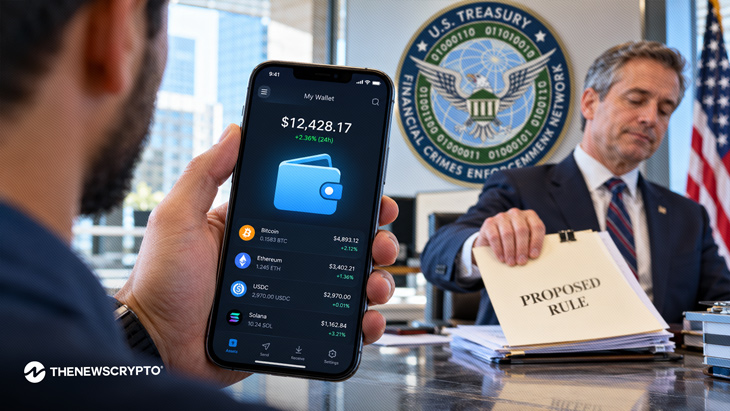
The U.S. Treasury’s Financial Crimes Enforcement Network has withdrawn a 2020 proposed rule that would have imposed significant reporting and recordkeeping requirements on transactions involving unhosted crypto wallets. FinCEN confirmed it will take no further action on the proposal. It effectively ended a rule that had been hanging over the crypto industry for nearly five years.
A second proposal has also been pulled. That one would have designated convertible virtual currency mixing as a class of transactions of primary money laundering concern. Significantly, that classification would have triggered a special measure under the Bank Secrecy Act.
In addition, both withdrawals were announced as part of the Trump administration’s deregulatory agenda. It is a stated goal to ensure digital asset regulations are fit for purpose.
What the Original Rule Would Have Done?
The 2020 proposal, published on December 23 of that year, would have required banks and money services businesses to file reports with FinCEN on any customer transaction exceeding $10,000 involving an unhosted wallet, or multiple transactions aggregating above that threshold within 24 hours. Identity verification of the customer would have been mandatory in those cases.
Transactions above $3,000 would have triggered a separate recordkeeping requirement, again tied to counterparty use of an unhosted wallet. The rule also extended to wallets held at financial institutions located in foreign jurisdictions. On the other hand, it is identified by FinCEN as non-compliant with the Bank Secrecy Act.
An unhosted wallet under the proposal was defined as one where a financial institution is not required to conduct transactions from the wallet. Moreover, it covers the self-custody tools that a large portion of the crypto community relies on daily.
Why It Was Pulled?
FinCEN cited public comments received in response to both proposals and the broader deregulatory direction set by Executive Order 14178, “Strengthening American Leadership in Digital Financial Technology,” issued by President Trump. The President’s Working Group on Digital Asset Markets specifically flagged both proposals as candidates for withdrawal as part of the effort to align crypto regulation with practical market realities.
Also, the crypto mixing proposal, which would have treated mixing services as a primary money laundering concern. This imposed special measures on financial institutions handling such transactions, has been dropped entirely alongside the wallet rule.
Furthermore, the unhosted wallet rule had drawn sustained opposition from across the crypto industry since its publication. Critics argue it would have imposed compliance burdens on ordinary users and businesses without meaningfully addressing illicit finance.
Crypto Market Highlights
Binance Users in Brazil Face New Transfer Requirements Under Central Bank Rules