



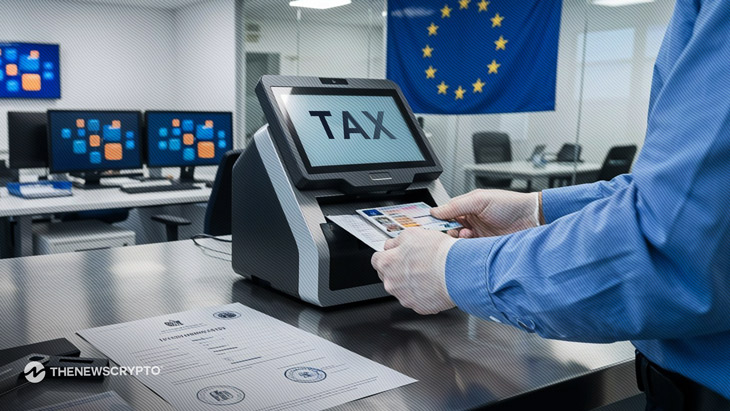
- DAC8 brings crypto under full tax reporting in the EU.
- Private wallets remain legal, but transfers from exchanges are now tracked and reported.
DAC8 is a new EU tax rule that started on January 1, 2026. It expands how cryptocurrency activities are reported to tax authorities across the European Union. Its main goal is tax transparency, and for the people who are living in the EU, this is a major turning point for them.
The DAC8 actually forces automatic tax reporting. This means that the Crypto exchanges and brokers must collect your identity details, and they must report your Tax Identification Number (TIN) and must send full records of your crypto activity to the Tax Authorities. This included buying or selling the crypto for cash and swapping one crypto for another. This is the big change in the crypto firm; even the withdrawals to the personal wallets are now reportable if they start from an exchange.
Self-Custody Remains Legal, but Fund Flows Are Fully Traceable
Self-custody wallets are still legal, but if you withdraw from your exchange to your own wallet, then the withdrawal is reported, and the EU wants visibility into where the funds go but not to take control of the wallet. So this is about tracking flows and not blocking the wallets. These are enforced by collecting the data in 2026, and the platforms will send the first full-year reports to EU tax authorities, and the government will receive and standardize the crypto data in 2027. The stronger enforcement comes later when the tax authorities compare data across countries.
If the user refuses to provide a Tax Identification Number (TIN), then the platforms can send a reminder, and after the two reminders or after 60 days, the account will be frozen, or the transactions can be blocked until compliance. There is a grace period, and there will not be instant enforcement.
Anonymous crypto is not possible in the EU because if you live in any of the EU’s 27 countries, the anonymous crypto use via exchanges is effectively over. The DAC8 puts Crypto into the same reporting systems as banks. This will be applicable for even non-EU exchanges and must follow DAC8 if they serve EU users. If they don’t comply, then they will be banned from the EU market.
The EU estimates that DAC8 could generate 1 to 2.4 billion euros per year in extra tax revenue and reduce tax evasion. But people are worried about less privacy for crypto users and the higher compliance costs for crypto platforms. But the regulators say that this is the tax visibility, not the criminalization.
Finally, the DAC8 is part of the global shift, and governments worldwide have started to copy this model to implement it in their countries. Crypto transparency is becoming the global standard and is officially treated like traditional finance.
Highlighted Crypto News Today:
Vietnam Sets Deadline for Pilot Crypto Exchange Licences by Mid-January